July 13, 2026
When planning a roofing project, especially one involving asphalt shingles, it's crucial to gather as much information as possible from your roofing contractor. Asphalt shingles are renowned for their affordability and reliability, making them the go-to choice for many homeowners. Equipped with the right questions, you can ensure a high-quality job and avoid common pitfalls associated with roofing projects. By understanding the intricacies of asphalt shingles, your investment can yield long-term returns in terms of durability and aesthetics. This article outlines essential questions to guide you in your discussions with your roofing contractor.
Types of Asphalt Shingles
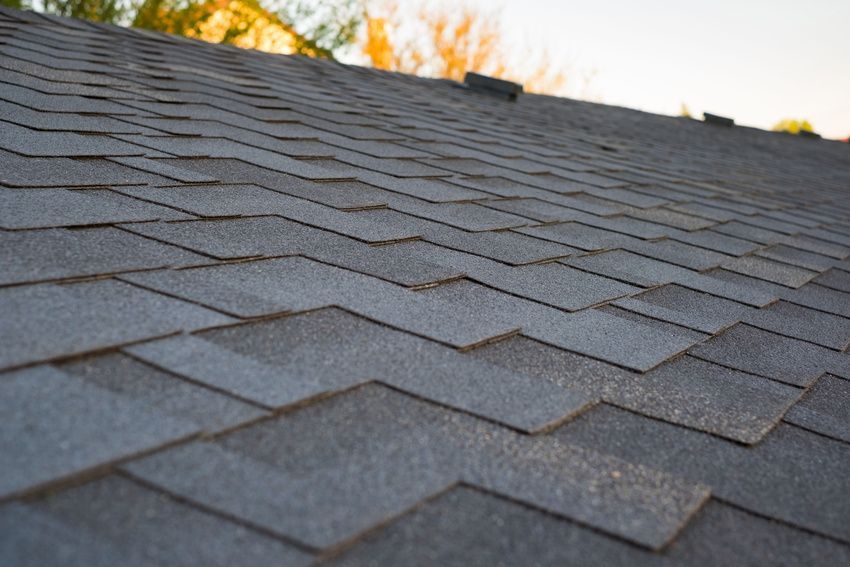
Asphalt shingles come in three main categories: 3-tab, architectural (or dimensional), and specialty variations. The 3-tab shingles are flat, with a uniform appearance, and are the most economical, yet least durable option. In contrast, architectural shingles offer a more textured look with greater durability due to their heavier and thicker construction. Specialty shingles, such as those designed to mimic slate or wood, provide unique aesthetic options but often at a higher cost. Understanding these types helps homeowners make informed decisions aligned with aesthetic preferences and budget constraints.
Choosing among these shingles involves considering their respective benefits and limitations. For instance, while 3-tab shingles are less expensive, we've found they typically last 15-20 years, offering less longevity. Architectural shingles, however, can last up to 30 years due to their enhanced durability. Specialty shingles, though pricier, become worthwhile investments with their unique looks and additional features like higher fire resistance or energy efficiency. By balancing aesthetic appeal with functional requirements, homeowners can select shingles that best match their specific needs.
It's also important to consider local climate and architectural style when selecting shingles. Architectural shingles, with their thickness and weight, provide better wind resistance, an essential feature in storm-prone areas. Conversely, in areas with minimal severe weather, 3-tab shingles might be sufficient. Specialty shingles might suit homeowners in premium neighborhoods looking to enhance their property's aesthetic appeal. Discussing these options with your roofing contractor will help ensure compatibility with both your home's style and environmental conditions.
Durability and Lifespan
The lifespan of asphalt shingles is influenced by several factors, including material quality, installation techniques, and environmental conditions. We've found that high-quality shingles managed by certified contractors can endure around 20 to 30 years. However, environmental factors like humidity, wind, and sun exposure can shorten this lifespan. Routine maintenance, such as clearing debris and ensuring proper attic ventilation, can significantly extend shingle longevity. Knowing these factors allows you to implement preventive measures that prolong your roof's effectiveness.
Maintenance plays a crucial role in the longevity of asphalt shingles. Regular inspections can identify issues such as cracked or curling shingles before they develop into larger problems. Proper ventilation is equally important as it reduces attic temperature, minimizing heat damage to the shingles. According to RubyHome, asphalt shingles are the most common roofing material, used in roughly 80% of roofing projects, which means extensive information is available on proper care techniques. Thus, integrating routine maintenance into your care plan can effectively extend the shingles' lifespan.
Installation quality is another critical determinant of shingle durability. Engaging a knowledgeable contractor ensures adherence to best practices that enhance durability. Proper alignment, nailing stipulations, and underlayment installation are crucial steps that, if ignored, could reduce shingle life. Moreover, selecting the right type of asphalt shingle based on regional weather and home design helps optimize performance. A durable installation directly translates into longer-lasting shingles and fewer replacements over time, underlining the importance of informed contractor selection.
Weather Resistance
Asphalt shingles are designed to withstand various weather conditions, offering protective barriers against rain, wind, and sunlight. They are typically tested to endure winds up to 110 mph, although higher-grade shingles may offer increased resistance. In terms of water resistance, consistently installing a waterproof barrier underneath can prevent leaks and damage. Sun exposure resilience also varies; UV-ray-resistant options reduce thermal damage and discoloration over time. Understanding these capacities can help homeowners choose the most weather-appropriate shingles for their region.
Weather resistance also encompasses hail and snow resilience. Some asphalt shingles are enhanced with impact-resistant features, reducing damage from hailstorms, a common cause of roofing deterioration. In cold climates, shingles must demonstrate excellent flexibility to prevent cracking under snow accumulation. Choosing shingles with a high fire resistance rating can also prevent damage from embers or nearby fires. Discussing your area's typical weather patterns with a reputable roofing contractor can inform the choice of suitable shingle characteristics that maximize protection.
Even with high weather resistance, routine inspections post-weather events are critical. Debris accumulation or minor damage needs addressing quickly to avoid compromising the roof's integrity. Contractors should verify that shingles remain intact, avoiding costly fixes later on. Moreover, engaging a qualified contractor ensures that shingles are installed per wind- and hail-resistance guidelines outlined by manufacturers. Combining robust shingle selection and expert installation minimizes weather-related risks, protecting your home effectively.
Preparation Work
Before installation, thorough preparation ensures the longevity and reliability of asphalt shingles. The process begins with an inspection of the roof deck for damage or weaknesses, replacing decayed areas promptly. This step is critical to prevent future issues that could compromise the shingle's performance. Next involves selecting underlayment materials like felt or synthetic liners, which provide an additional moisture barrier. Contractor discussions should address these preparations to confirm adherence to industry standards and enhance the roof’s overall integrity.
Proper preparation also involves communication with your contractor about specific project details. Discussions should cover material choices, color preferences, and any special features like enhanced ventilation or skylight accommodations. Ensuring detailed conversation minimizes miscommunication and improves outcome satisfaction. Documenting these expectations and variations in the contract can prevent misunderstandings that impact the project timeline or quality. This meticulous attention creates a foundation for a successful roofing project reflective of your vision.
Furthermore, preparation work requires obtaining necessary permits and adhering to local building codes. These regulations ensure roofing projects meet safety standards designed to protect residents and the environment. Contractors should inform you of the required permits before starting work. This legal aspect is crucial as non-compliance might lead to project delays, fines, or even mandated revisions. Therefore, confirming regulatory readiness elevates the credibility and legitimacy of your roofing project.
Installation Techniques
Proper installation techniques are foundational to ensuring the effective performance of asphalt shingles. Skilled contractors align shingles meticulously, ensuring secure nailing that resists uplift and maintains shingle integrity. Underlayment must also be properly installed to prevent water infiltration, which could undermine the roof deck. Contractors adhere to manufacturer guidelines, ensuring the shingle warranty remains valid. Engaging experts who execute precise techniques extends the roof’s longevity and effectiveness.
Additionally, installation involves careful attention to ventilation systems. Ventilation helps control attic temperature, reducing thermal stress on asphalt shingles. Correctly installed soffit and ridge vents contribute to airflow, maintaining consistent temperatures that support shingle health. A contractor's expertise in choosing appropriate ventilation techniques can impact indoor comfort and shingle durability. Collaboration with knowledgeable professionals ensures ventilation considerations become part of the installation plan for optimal outcomes.
Timeframe efficiency plays a significant role in the installation process. Professional contractors provide estimated durations, accounting for potential weather disruptions or unexpected repairs. Understanding this timeline allows for logistical planning such as arranging housing alternatives or scheduling deliveries. Experienced contractors balance speed with meticulousness, ensuring quality outcomes without unnecessary delays. This strategic planning facilitates a smoother installation process that respects client timelines and expectations.
Selecting and installing asphalt shingles involves more than choosing a material—it requires careful consideration of shingle types, durability, weather performance, preparation work, and installation methods. When homeowners take the time to understand these factors and communicate clearly with a roofing contractor, they’re better positioned for a roof that performs well and lasts for years. From climate conditions to proper installation practices, each decision plays a role in the final result. With the right planning and informed choices, your roofing project can provide dependable protection and long-term value for your home. For an experienced
roofing contractor you can count on, contact A & J's Professional Roofing today.